

Children’s Myopia Management
Today's treatments are specifically designed to help slow myopia's progression as your child grows.

Today's treatments are specifically designed to help slow myopia's progression as your child grows.
For a long time, that was the answer. Myopia, also called nearsightedness, means your child can usually see things up close clearly, but objects farther away look blurry. It may start with squinting at the board, sitting closer to the TV, or needing glasses for school.
Then, for many families, a pattern begins: your child’s vision gets a little worse. You get a new pair of glasses. A year or two later, the prescription changes again. By the time they are adults, their prescription may be much stronger — and that can start to feel normal.
But here's what many parents don't realize: myopia doesn't just mean blurry vision. It can also mean real, lasting risk to your child's eye health.
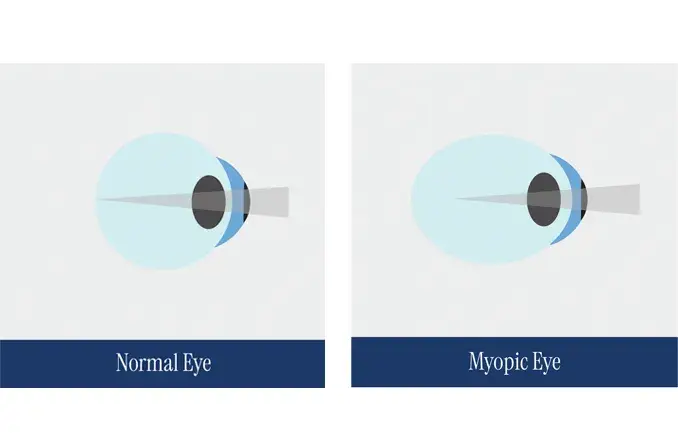
As myopia progresses, the eye can continue to grow longer over time. That can lead to stronger prescriptions, but it can also increase the risk of more serious eye health issues, including:
This is a guide meant to give you something many parents never had before: a reason to act early, and new options to help manage your child’s myopia as they grow.
Children don’t always tell you things look blurry. Sometimes, it is the only vision they have ever known. You may notice signs like:
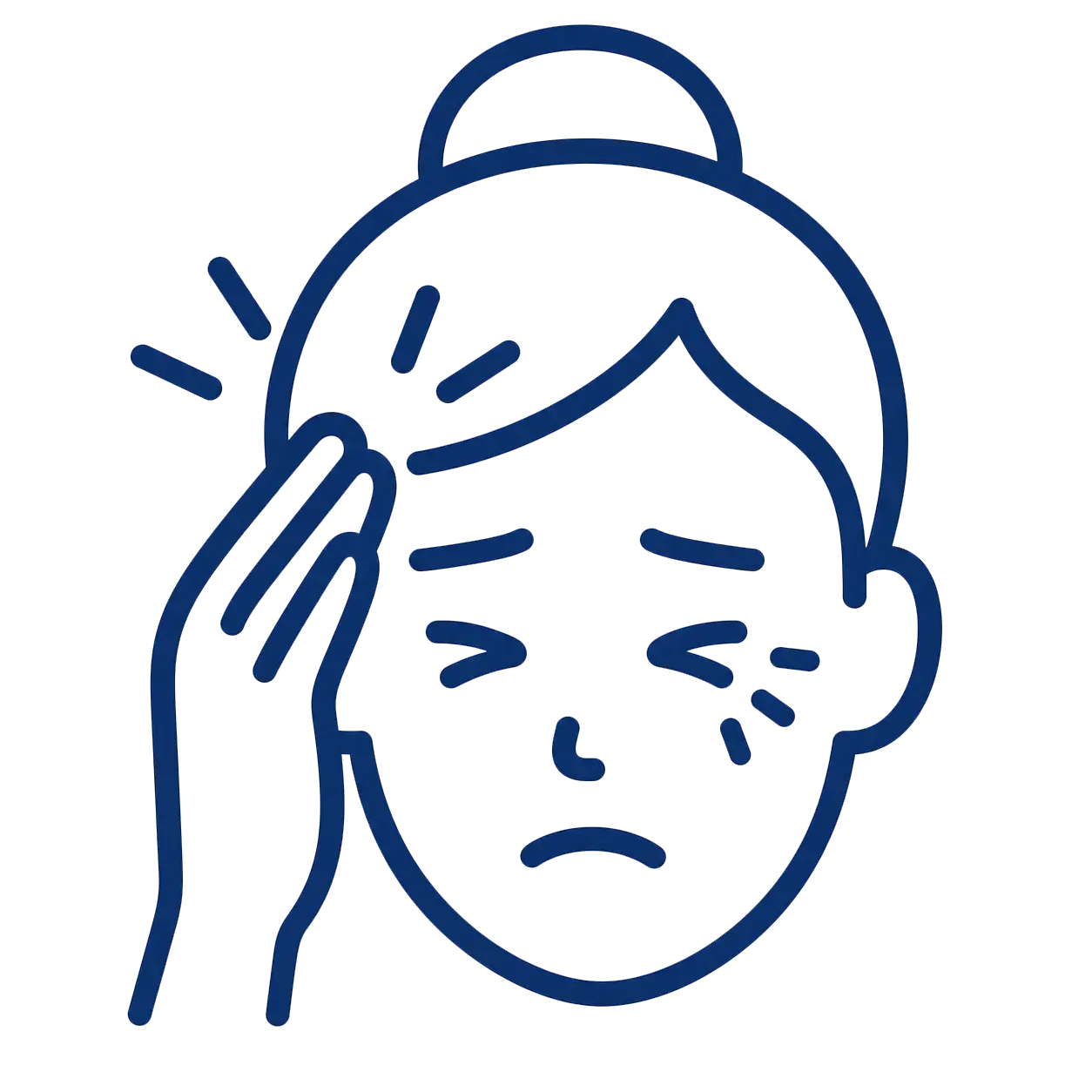
Headaches, eye strain, or fatigue in class
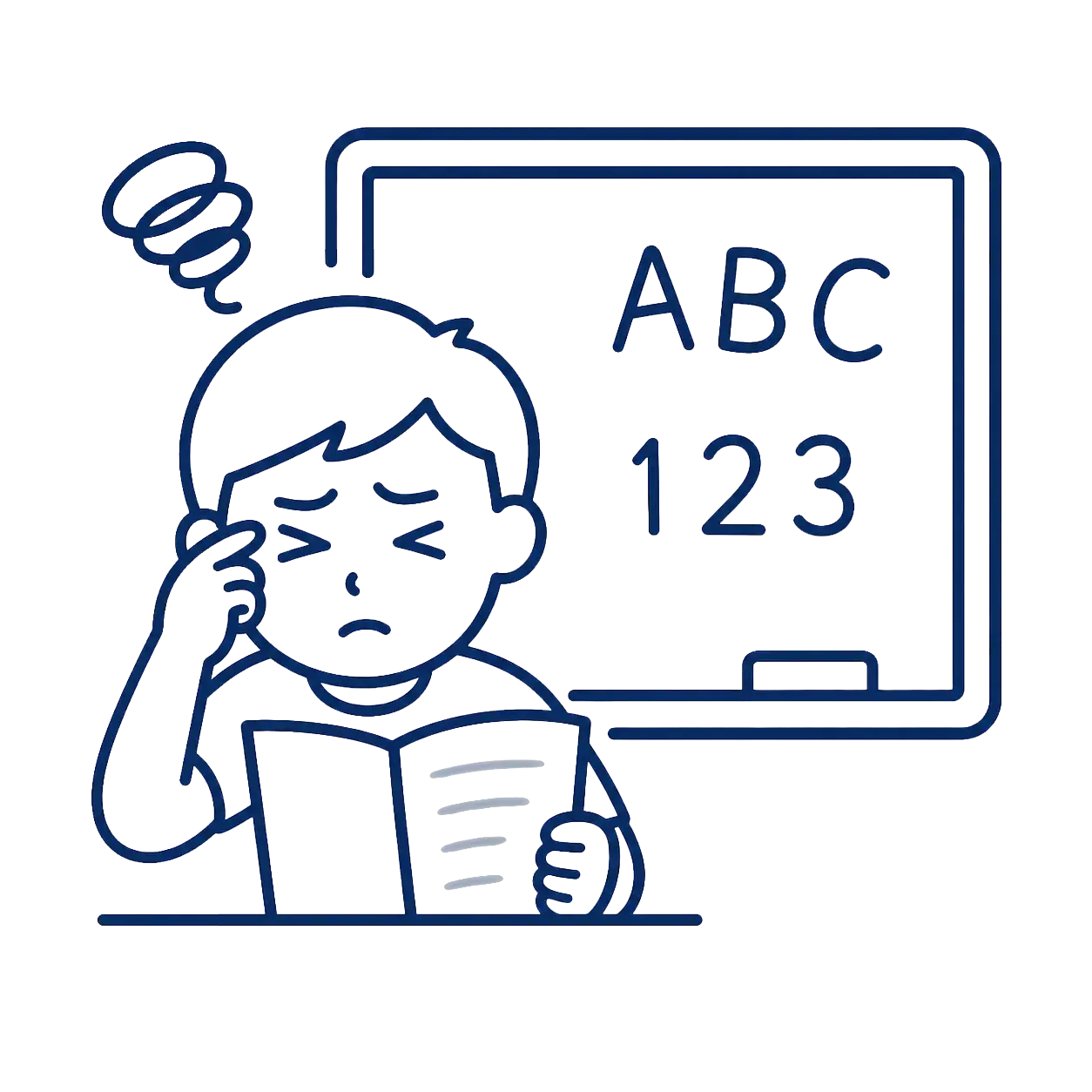
Difficulty keeping up with lessons or missing key information
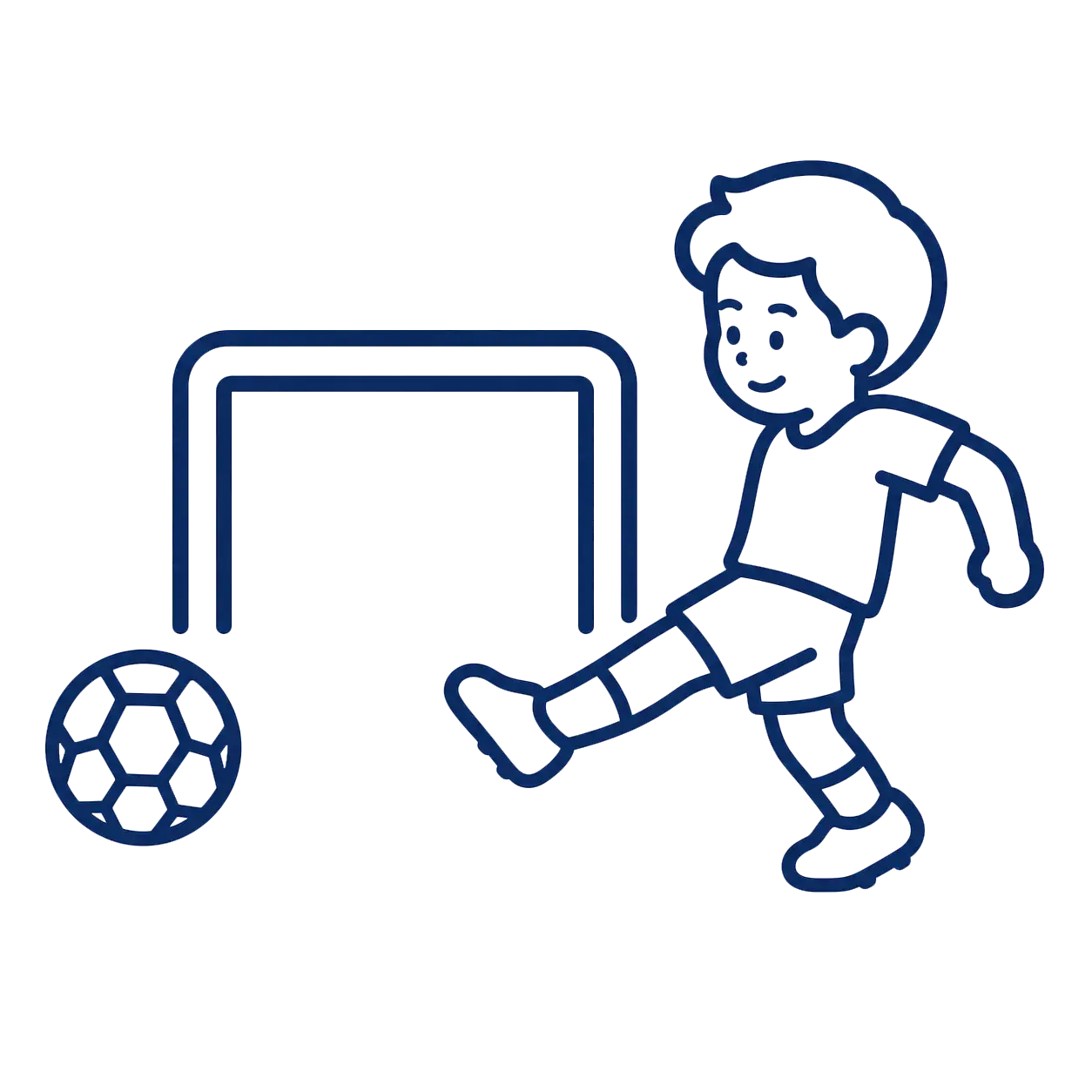
Avoiding reading, sports, or activities that require distance vision
Myopia can sometimes be mistaken for attention, behavior, or learning issues. A comprehensive pediatric eye exam can help you understand what your child is really seeing — and whether myopia management may be right for them.
The American Optometric Association recommends a child's first comprehensive eye exam at 6 months, a second at age 3, and another before starting kindergarten. After that, children should be examined every year. For children who cannot read or respond verbally, our optometrists use picture-based charts and objective testing to accurately assess vision without relying on verbal answers from the child.
Traditional glasses and contact lenses help your child see more clearly today, but they don’t slow what’s happening over time. Now, there are treatments specifically designed to do just that.
The first and only FDA market authorized spectacle lens to slow myopia progression in children.*1
Essilor® Stellest® lenses slowed myopia progression by 71% on average over 2 years.*1
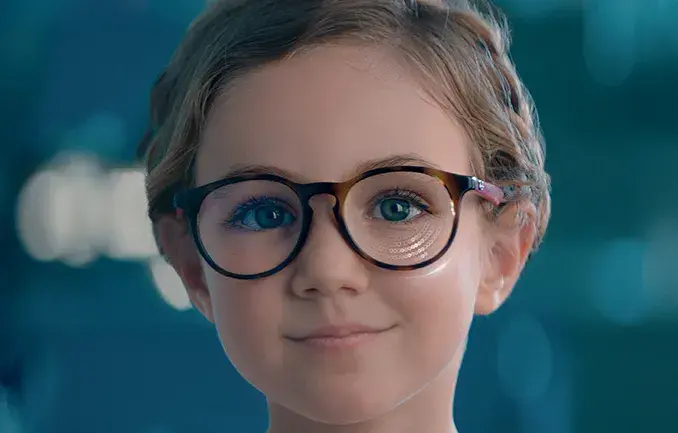
Depending on your child's needs, our optometrists may also recommend other approaches like specialized contact lenses, low-dose eye drops that help slow eye growth, or a type of overnight lens that gently reshapes the eye while your child sleeps so they can see clearly during the day.
Regular monitoring every 6–12 months is often recommended to track your child's myopia and adjust their treatment plan as needed.
Give your child every advantage in the classroom, on the field, and in life. We welcome all insurances and have convenient locations to make scheduling a pediatric eye exam an easy step toward ensuring your child sees and learns at their best.
Myopia (nearsightedness) causes blurry distance vision and is increasingly common in school-aged children — affecting more than 40% of Americans, according to the American Optometric Association (AOA). In children, it matters beyond academics: unmanaged myopia tends to worsen over time and can raise the lifetime risk of serious conditions including retinal detachment, glaucoma, and early cataracts.
Myopia has both genetic and environmental causes. Children with nearsighted parents are at higher risk, but lifestyle factors also play a role — frequent extended near-vision tasks like reading and screen use are associated with higher rates of myopia.
Children don't always realize their vision is blurry, so they may not complain. Common signs include squinting, sitting close to the television, frequent headaches, and difficulty keeping up in class. A comprehensive pediatric eye exam is the most reliable way to detect myopia early.
Yes. While myopia cannot be reversed, its progression can be meaningfully slowed with the right treatment. Clinically proven options include specialized spectacle lenses (such as Essilor® Stellest®), soft contact lenses designed around myopia control, as well as treatment with specific prescription eye drops or other treatment options an optometrist may prescribe. For most children, lifestyle adjustments — 2+ hours of outdoor time each day, planned breaks from near tasks, and limited screen time — are recommended alongside any treatment.
As early as possible after diagnosis. Myopia progresses most rapidly during the school-age and adolescent years, so earlier intervention leads to better long-term outcomes. Regular monitoring every 6 to 12 months is recommended to track progression and adjust treatment as needed.
The American Optometric Association (AOA) recommends a child's first comprehensive eye exam at 6 months, a second at age 3, and another before starting kindergarten unless otherwise recommended by your optometrist. After that, children should be examined every year. Learn more about our comprehensive pediatric eye exams by clicking here.
*Compared to single vision lenses. Results from a prospective, randomized, double-masked, multicenter U.S. clinical trial in myopic children aged 6–12 years at initiation of treatment.
1 Essilor International, data on file (2025).